Tips & Resources
Resource Management: What It Is & why It's Important

Updated: Published:
Resource management and its importance for business owners looking for increased productivity. Here are 7 reasons why its important.


Burkhard Berger
Burkhard Berger is the founder of Novum™. He helps innovative B2B companies implement modern SEO strategies to scale their organic traffic to 1,000,000+ visitors per month
What Is Resource Management?
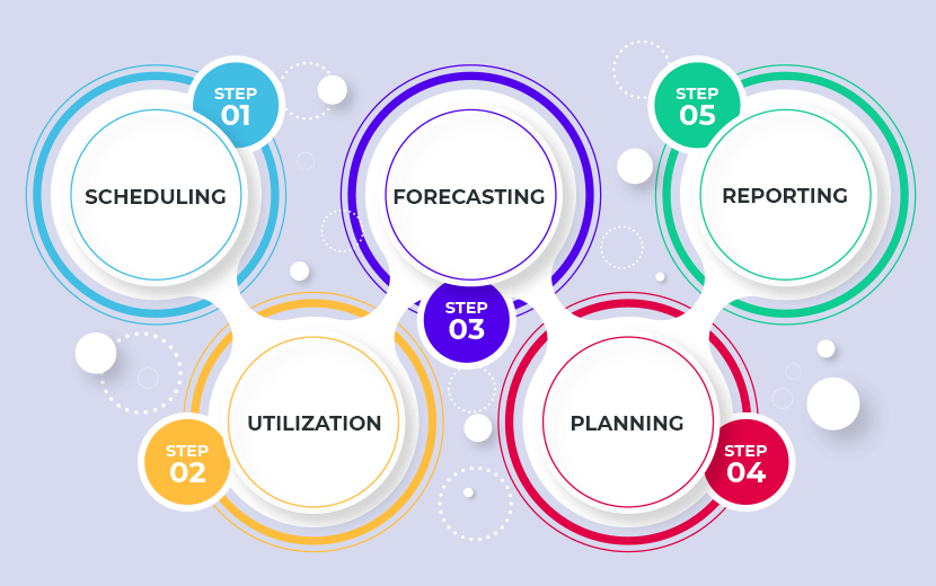
Clever planning that decides how an organization utilizes its collateral is resource management. Here, we talk about physical and abstract resources. From employees to time and equipment to finances, and so the list is long.
For example, if we take a look at an educational organization, resource management will pitch effective and improved student learning. Teachers, schools' budgets, semester time, and books all are resources; some tangible and some intangible. The A-Z of this clever planning includes scheduling, utilization, forecasting, project planning, and reporting.
Resource management gives you clear visibility of resource availability to maximize your organization's efficiency. It offers you insights into your ongoing project team, making it transparent for the management to know if the team is productive or overworked. And it becomes of utmost importance if you have offshore development teams that are spread globally and have unique work timings and styles.
What happens when you over-allocate? Overallocation means being maxed out resources. With resource management, you can get a grip on this burnout. This saves your team members from getting overburdened and hence produces what is best and methodical.
Again, what makes you sure that the company's economic condition is stable enough to take more initiatives and invest in more projects? Various brands like JPL, Gexpro, and Unscramblex rely on resource management to help keep a check on the dynamics of the economic standing of their organizations through transparency of ongoing projects.
Resource management is an overview of what your resources are and how harmoniously they are working. When an organization has a complete grasp over the insights of its resources, optimization happens along with many other productive progressions.
You can also foresee the expected and unexpected disputes regarding a particular resource allocation and scheduling in an ongoing project. This helps in addressing the problem and finding good alternatives even before it actually happens.
7 Reasons Why Resource Management Is Important
Your resources will cost you the most in your business, hence it becomes the demand of your business survival and sustainability to use them in the most knowledgeable way throughout the lifecycle.
Resource management revolves around planning, scheduling, using resources in the fairest way (not overburdening), and monitoring all metrics of your business. May it be human resources management, your machinery, warehouse, software, budget, or time.
Here are some credible benefits of resource management that will escalate your overall project management:
1. Coherent Cost Cutting
Every company is on the lookout for cost optimization ideas. Why? Because efficient cost-cutting can save a lot of woes and improve the overall health of the company while idle resources can be burdensome for any project’s budget. Identifying and leveraging underutilized resources can further improve efficiency, reduce costs, and accelerate project timelines.
One of the many reasons why businesses rely on resource management is to improve project profitability. Resource management helps in reducing unnecessary costs, resulting in better product or service pricing. Eliminating time-consuming communication can show positive results in budget savings as well. Alongside that, smart allocation always saves resources from being exhausted. Focusing on resource efficiency and maximizing resource efficiency through strategic allocation and the use of appropriate tools ensures optimal use of team members, skills, and time.
2. Effective Resource Utilization
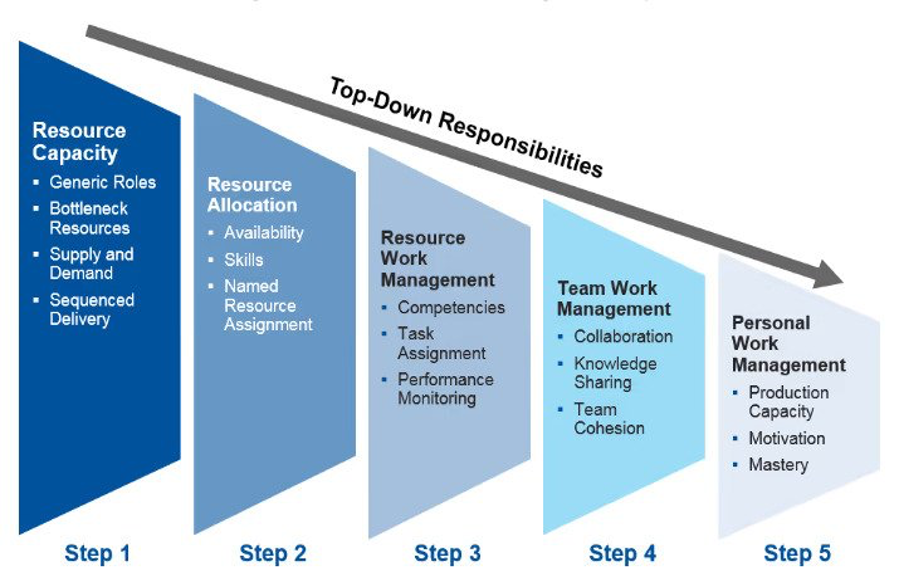
Employees hired for a project might be one of the most costly resources. It might take a village to complete a project on time within an estimated cost bracket. But that village needs to consist of people who have the right skill set and know what they are supposed to do and in what conditions.
Assigning resources based on team members' skills and availability is crucial to ensure tasks are matched effectively and prevent overallocation. Planning and allocating the team's resources—including personnel, equipment, and skills—helps optimize project efficiency and success. This can be done easily with the help of resource management based on the skills, experience, qualifications, and location of the team employed. This can also help cater to the company forecast staff augmentation needs of any given project.
Another issue that can be resolved with resource utilization is resource exhaustion. This happens when they are not managed or utilized suitably. Effective resource utilization makes sure that every project is completed on time without the burnout of resources. Managing resources effectively leads to improved project outcomes, greater efficiency, and reduced costs.
3. Tackling Misperceptions
The failure to communicate your ideas to your team creates misconceptions. It might pose a serious threat to project completion if not handled well on time. According to surveys, a lack of efficient communication is the main cause of projects failing.
Sometimes miscommunication becomes inevitable, especially when multitasking. This bump slows down or halts the projection completion. Remember that communication always starts from the top.
When managers are unable to provide the apt information, this symbolizes that they don't have access to complete project visibility. Competent monitoring with transparency on all the projects via project management tools and resource management together can minimize the chances of miscommunications to none.
4. Transparency Over Project Progression
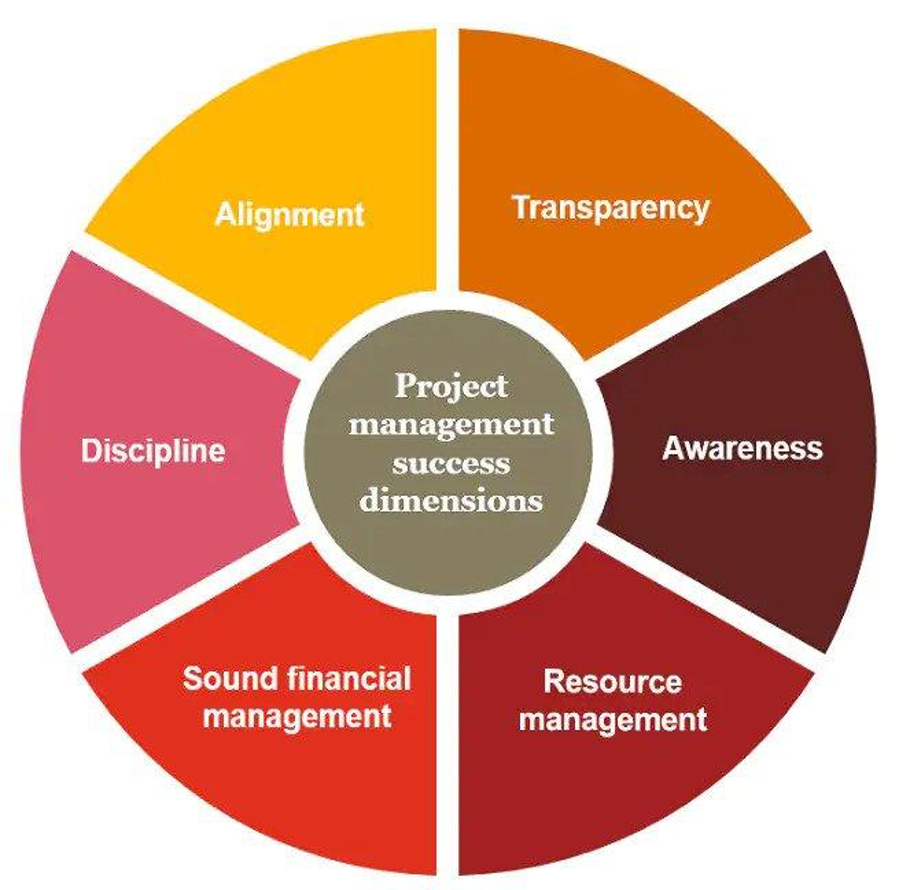
Resources need to work together harmoniously for project progression. When this harmony is disrupted, the project progression and completion are threatened. When watching over the system like a hawk, the chances of missing a malfunction become negligible. Hence amplifying the project progression.
Take KURU, for example, a home-grown footwear company. After the launch in 2008, their revolutionary KURUSOLE made waves all across the US. The demands for various styles of shoes began to stream in with the orders. With such a great influx, things seemed pretty unmanageable. However, with the help of proper resource management and allocation, its sales skyrocketed and the brand became synonymous with comfort and support globally.
5. Estimation and Information-Based Apt Hiring
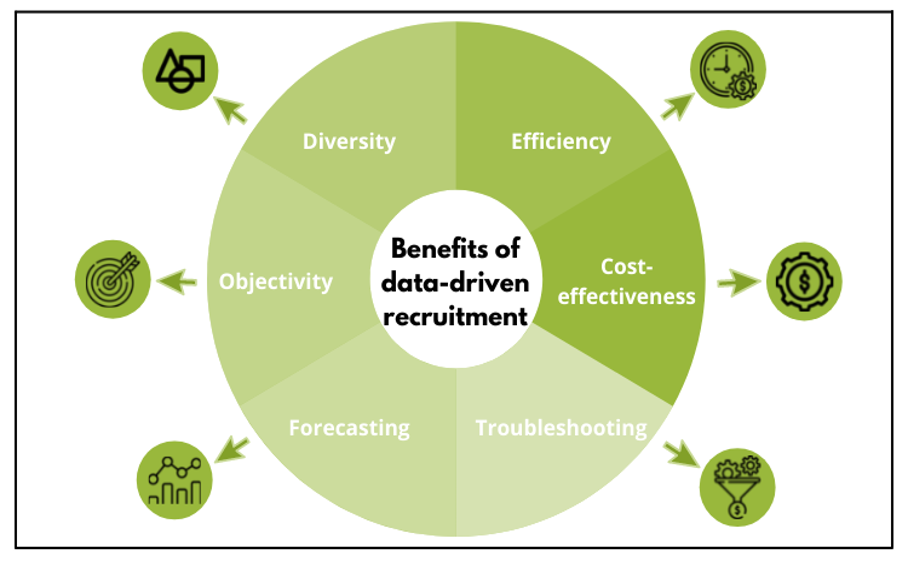
Careful resource management and smart project estimation help management in unlimited ways. Resource management leverages accuracy to these estimations. To begin with, it helps foresee where the project progress graph is headed.
This helps you gain insights into cost estimation, timeline estimation, workforce estimation, and much more. By bringing resource shortfalls to notice, management acts accordingly.
When it comes to the workforce, resource management gives the bases for appropriate hiring so that all the clauses of who, when, and where are met based on the statistics of project estimation. You will have a picture-perfect view of every niche of your project and how they are progressing according to the timeline.
6. Staff Satisfaction Guaranteed
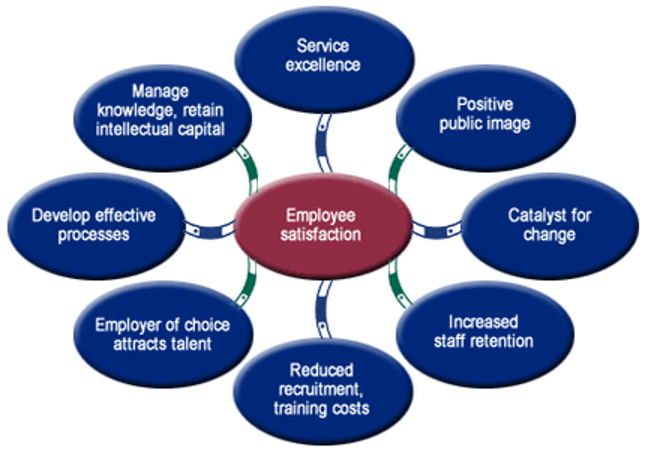
Job satisfaction is the most important aspect of an employee's work life. When an employee has too much to handle, in terms of responsibilities, things become cumbersome. A swamped and frustrated employee will always be behind schedule.
This results in obvious ineffectiveness which is the key reason for the incompletion of projects and client dissatisfaction. Resource management helps in keeping your employees engaged for better productivity.
When the staff is designated tasks that best suit their capacity and capability, task completion efficiency is amplified. Not only that but you will have a happier, more motivated, and more productive workforce.
One way to start noticing this change is through fewer leave applications and more workforce availability on a day to day basis. These strategic decisions made based on resource management create a win-win situation for both sides.
7. Predicting A Better Future
Predicting the future is easy when you have visibility of the components of your system, how engaged they are, or what they are costing. When you have a clear resource management plan, you become clear about the future and start getting more control over your resources. This helps you to plan ahead.
Also, it boosts efficiency. As a result, the supply and demand gap is reduced and projects are delivered promptly. When you have a certain experience with an ongoing project, you can easily make predictions for future ones. With robust resource management software, you have statistical records of every detail of the previous projects. The successful strategies can be applied to future projects considering the conditions are constant.
Let's consider an example to understand all these factors. For construction companies, completing projects is a challenge. These challenges may include budgeting, allocating resources, not exhausting resources, completing within the due date, and much more.
Some of the resources for a construction company include:
- Labor
- Raw materials
- Machinery
- Fuel
- Cost
- Finances
- Time
- Facility areas.
With the help of resource management, you can locate what machinery or labor is benched but still costing you. You have two options. Either you can reallocate them or not include them in your project for coherent cost-cutting. This also promotes using the right resources cleverly and not exhausting them.
A resource management tool with a creative design will help you get to see an overview of the possible deadlocks. Like if a certain machine is not producing its 100 percent, there must be some technical issues that need to be resolved.
Sometimes there is miscommunication between the engineers regarding the design which slows down the efficiency of the project. When you have better transparency of the project, you can solve the hiccups (if any) in a timely manner. This also helps in making predictions on how to handle future projects.
When resource management is integrated, project management becomes a smooth sail. The objectives of the project are met within the allocated time and budget. This results in client satisfaction.
5 Effective Techniques In Resource Management
Reduced bench time with apt resource optimization will always lead to more profitable outcomes. By following resource management techniques, organizations can forecast, plan, allocate, and optimize resources more efficiently, especially when managing human resources. Utilizing a dedicated resource management solution further enhances visibility, streamlines capacity planning, and supports strategic decision-making for project success. According to the Resource Management Institute, adopting industry best practices and standards is essential for measuring and improving the effectiveness of your resource management strategies. Here, I will talk about 5 effective techniques in resource management. This will give you an extensive conceptualization of these techniques for better results.
A. Supply & Demand Forecasting
The most important aspect of resource management is resource forecasting. Clever estimation of project resources needed before the project even begins helps manage the need for future projects as well. During forecasting, it is essential to identify resource requirements and resource constraints to ensure accurate planning and allocation.
This supply and demand forecasting is a step-by-step cycle, which includes forecasting, scheduling, monitoring, and reviewing. This cycle might happen twice in a life span of a project. Incorporating risk management into this process helps proactively identify potential issues, such as staff absences or supply delays, and develop strategies to mitigate these risks.
An initial rough estimation is done by the upper hierarchy of an organization giving the clients a vague idea about the costs. Once it is a go-getter, the project manager assembles the team and again forecasts resources for the whole resource management process. Using project metrics during this stage improves forecasting accuracy by tracking resource utilization and predicting future needs.
For example, for a construction project fulfillment, the construction company assesses the need for the desired amount of engineers, architects, and laborers to certain dates. Sometimes these ever-changing project priorities and resources require real-time reporting. These reports help the management make dynamic data-driven decisions for businesses which, in return, aids immensely in resource forecasting.
B. Inventory Transparency
Inventory transparency helps you, your stakeholder, or your partners to make better real-time decisions. These choices are based on the information rather than making predictions or guesswork.
Inventory transparency creates awareness of how soon you will be running out of stock and when restocking is required. This reduces the risk of shortages and overages. When shortages are identified, pulling resources from other projects or departments can help fill gaps and avoid bottlenecks. Resource management tools play a crucial role in providing inventory transparency by offering real-time data and supporting efficient resource allocation. The supply chain issues are going to cost you big bucks. It also avoids unnecessary overbooking which might result in a deadlock. Hence disturbing the whole budget cycle of any project.
C. Resource Allocation and Optimization Through Leveling/Smoothing
Resource Leveling
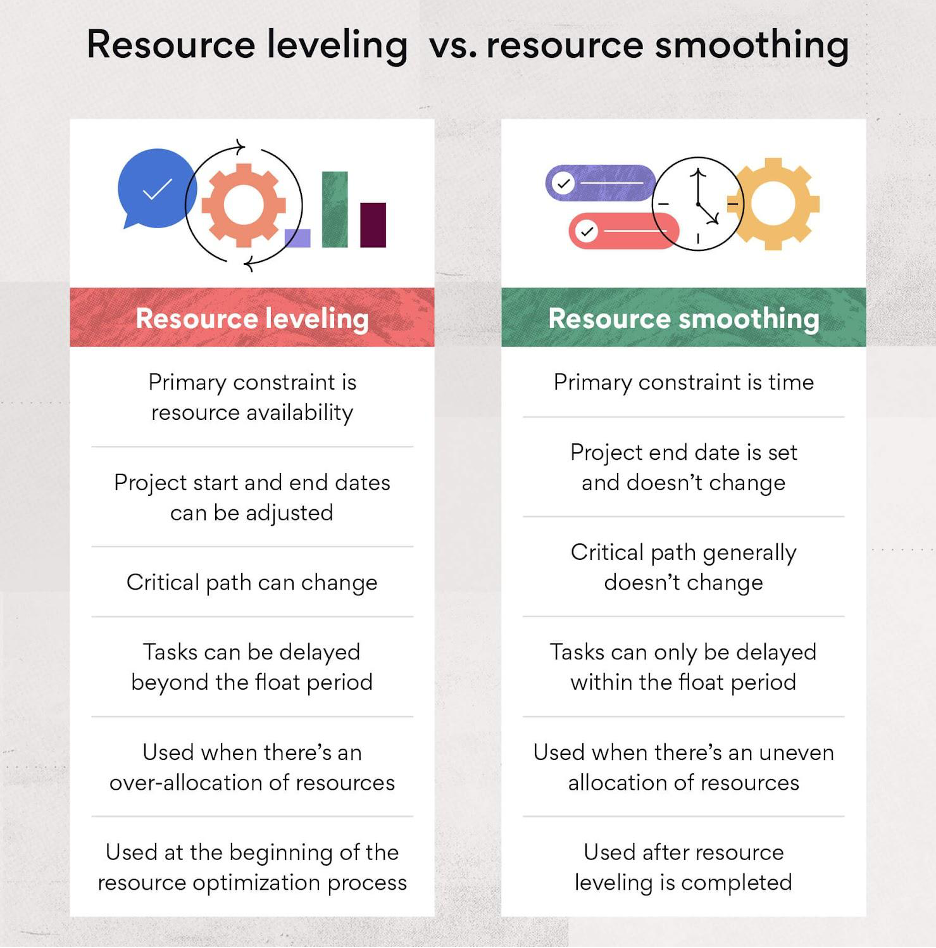
Resource leveling is about analyzing what resources are benched and how to take them to their full capacity to ensure project completion. It may use postponing a project’s beginning or due date and getting additional resources as ways to reach the desired target in the most efficient way. As a result, it prevents task overloading and ensures optimization.
Resource leveling is typically the responsibility of resource managers, program managers, and project managers. Resource managers focus on allocating and balancing resources across projects, program managers oversee resource distribution at a strategic level across multiple projects, and project managers implement resource leveling techniques within individual projects to optimize utilization and ensure successful delivery.
Resource Smoothing
While resource smoothing technique has the same motives as resource leveling but tackles the situation from a different approach. Resource scheduling aligns and alters the activities of available resources in a way that they still remain within the predefined limits in a given project. This technique is usually applied after resource-leveling and ensures maximum optimization.
D. Process Automation
Process automation is an extremely effective technique of resource management. Process automation saves time at the same time it quickens the monitoring and completion of projects. This boosts overall productivity.
While we integrate automation in even the littlest of processes, what we get in return is error-free quick results. The monotony of long parameter calculation, data collection, or report filing can have a negative toll on the staff's execution.
Integrating resource management can be useful in a variety of industries and professional services, including medical alert system suppliers, custom software developers, online custom presets stores, and construction firms. It can help quicken and streamline the process with lesser effort input. This frees up resources and can be allocated to other projects, hence ensuring smooth workflow and saving time and costs for any project.
E. Extensive Collaboration
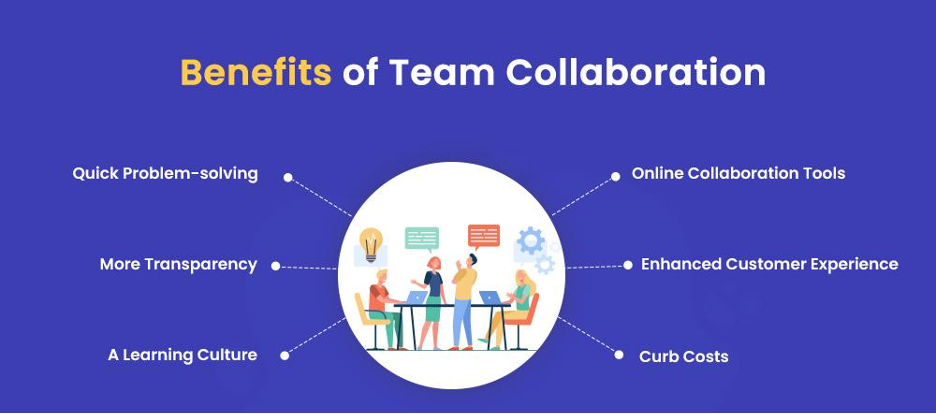
Studies have shown that collaborative work is always more efficient and productive in problem-solving. Brainstorming as a team opens more doors for newer ideas. And this promotes creativity in a project.
Project completion becomes more successful via these strategies. A support team always promotes intuitive risk-taking. Extensive team collaborations can help resolve the occurring conflict in a project which results in optimization of the resources.
When an organization brings team collaboration into resource management, it gets rewarded with unlimited perks. These perks may induce more learning, transparency, cost-cutting, enhanced customer experience and so much more.
Increased project demand and limited resources make a tough business environment. To gain maximum productivity out of these sticky situations, businesses that leverage effective tools and techniques for resource management take the lead.
In order to have a more streamlined and effective resource management system for businesses, resource management techniques and tools offer a lesser barred and more visible path to the company's goals resulting in great ROI.
With adequate resource management, projects are kept on schedule and within budget by avoiding bottlenecks and making the optimal use of available resources. The prevention of organizational conflicts, resource depletion, and problem identification and avoidance are some of the other benefits of efficient resource planning and management.
So there you have it. If you want to learn more on how to take advantage of the unmatched resource management possibilities that give you total hassle-free control, head to our website.

Related articles

Tips & Resources
Why ERP Scheduling Works in an Efficient Resource Workflow

29 November, 2022

Tips & Resources
5 steps to Implement Scheduling Optimization in Your Workflow
24 January, 2023

Tips & Resources
Why You Need to Consider Workforce Scheduling & How to Make it Work

03 February, 2023