Tips & Resources
How to Write a 5-Year Business Plan: A Guide to Creating a Good Business Future

Updated: Published:
An effective five-year business plan will help your business better achieve strategic long-teams goals. Learn how to create your own.


Jenna Bunnell
Jenna Bunnell is the Director for Field and Strategic Events at Dialpad.
Why Create a 5-Year Business Plan?
Suppose you implement a robust five-year business plan at some point in your business's lifetime. In that case, it will provide valuable insight into how your business is likely to fare over the coming years.
In addition to long-term business insights, your business plan helps with:
Research
An important part of your business plan is thorough market research, and measuring what your competitors are doing. Conducting this analysis allows you to make strategic decisions about moving your business forward.
Strategic Planning
The creation of your five-year business plan solidifies the ideas you have for your business, and what you need in place to see those ideas come to fruition.
As part of the strategic planning process, you should develop a clear strategy document that outlines your long term goals and future plans for the business.
Partnerships
If you can envision future collaboration opportunities, your five-year business plan is a great resource for other companies to learn about your business, and decide if they want to go into partnership with you.
A strategic five-year business plan helps you encourage data-driven business growth in the long-term, and assists with decisions about the company's future. Businesses that create long-term business plans are good at strategic thinking and prepared for potential obstacles their companies may face.

Image source from Pexels
How to Write a 5-Year Business Plan
Let’s look at the outline above in detail, noting that strong analytical skills are essential for developing each section of your five-year business plan, to uncover what to include in each section.
Executive Summary
Write your executive summary with your business's overview, and mission statement. Concise mission statements that reflect your business's goals and objectives are ideal, such as these from famous brands:
“To connect the world's professionals to make them more productive, and successful.” LinkedIn
“To help people worldwide plan and have the perfect trip.” Trip Advisor
Consider writing your business's executive summary after completing the other sections, as this element of your plan should be a complete rundown of your business.

Image source from Pexels
Business Description
This section contains all the essential information about your business, including your goals, target customers, business structure, and future restructuring plans to align with objectives. Consider why your business exists, your hopes for your business's future, and its values to fill out this section.
Management Team
Include a brief description of your management team’s job responsibilities, skills, and how they fit into your business. Your team can act as your business’s USP, especially if they bring unique talents to the table.
Products and Services
A detailed description of your business's products and services, including benefits, features, and supplier information if relevant.
SWOT Analysis
Focus on your business’s strengths, weaknesses, opportunities, and potential threats.
Target Audience
Describe your current target audience, and any potential new audiences your business plans to expand to reach.
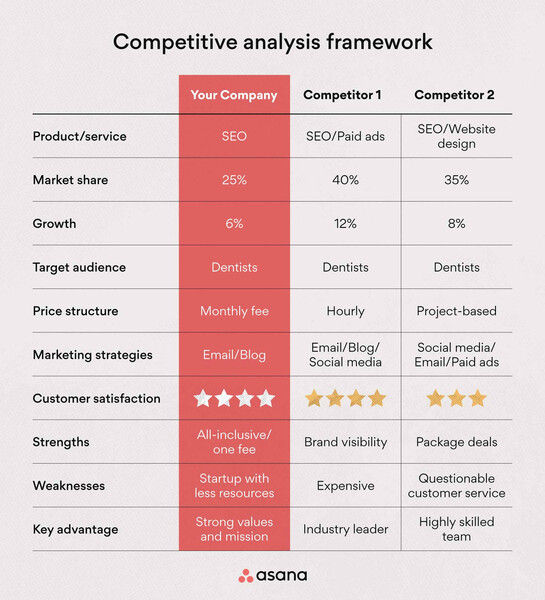
Competitive Analysis
Your business plan should include information about who your competitors are, and where your business sits compared to them.
Market Analysis
Research your market and write your findings, incorporating statistics and relevant data.
Marketing and Sales Plan
You need an overall plan for marketing your business’s offerings to your target audience.
Financials
Prepare a financial report demonstrating your business’s financial projections over the next five years.
Conclusion
Illustrate the key points within your five-year business plan in a neat summary.

Image source from Pexels

Related articles

Tips & Resources
6 Consumer Data Protection Tips Your Business Should Follow

02 September, 2022

Tips & Resources
Why a Customer Journey Map is a Must for Any Modern Business

07 March, 2023
Tips & Resources
6 Consumer Data Protection Tips Your Business Should Follow
02 September, 2022